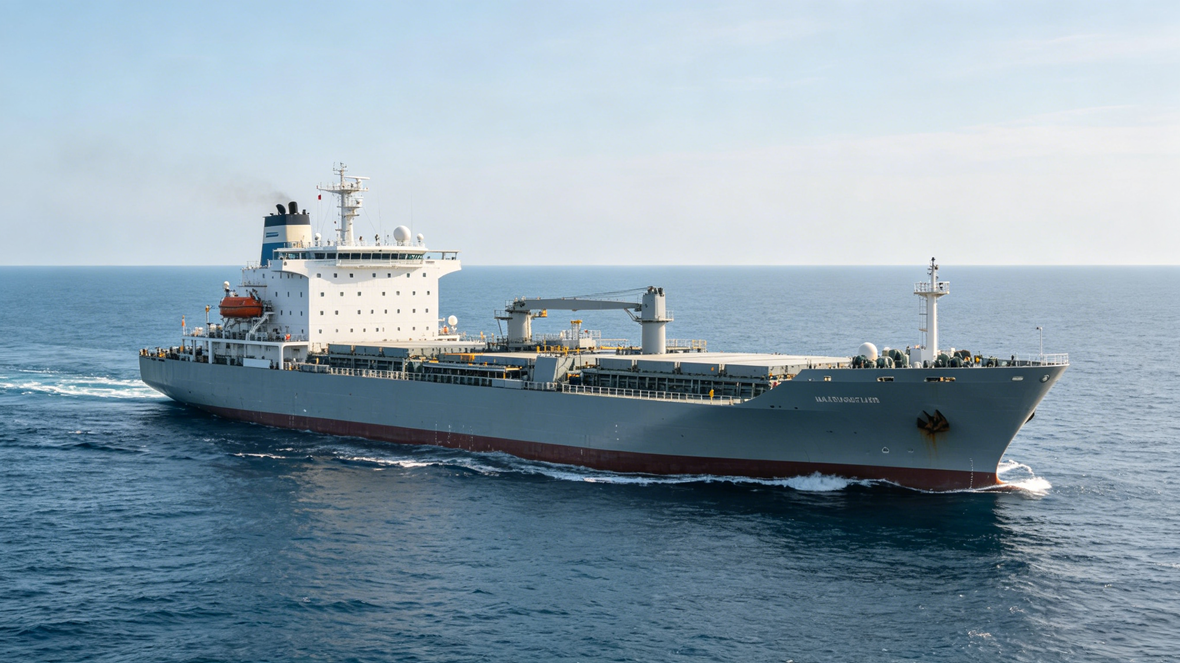
In international shipping, telex release is designed to simplify cargo pickup procedures, avoid delivery delays caused by original bill of lading mailing, and reduce time costs for both buyers and sellers. However, many sellers hold misunderstandings
that telex release means cargo can be picked up at any time. In practice, even after the carrier confirms telex release and the cargo arrives at the destination port, consignees are often unable to pick up goods smoothly, which affects transaction efficiency and triggers extra port charges.
Such delivery obstruction is quite common, caused by multiple easily overlooked key links. Both shippers and consignees need to pay close attention and take preventive measures in advance.
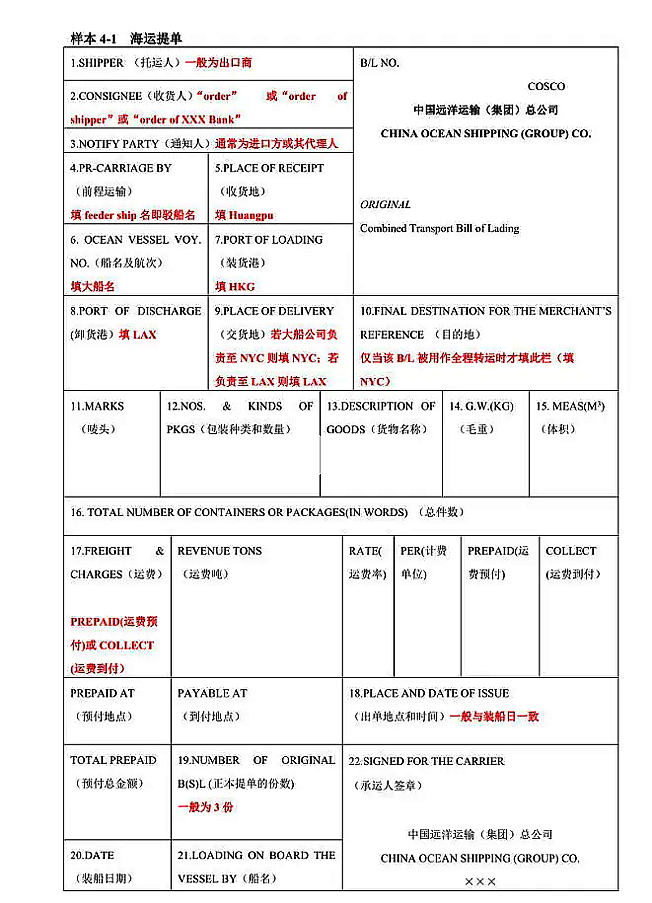
The core procedure of telex release requires the origin carrier to send official and valid release notifications to destination agents and complete system filing before cargo pickup. To save time, some forwarders only inform destination agencies verbally
or fail to update telex data into the carrier system in a timely manner, resulting in no valid release records available at the destination. It should be noted that the shipper’s telex confirmation email does not represent completed filing at the port of arrival.
Especially during peak shipping seasons, system delays and data inconsistency will further hinder cargo clearance and pickup.
Many sellers confuse telex release with customs clearance. Clearly, telex release only solves the problem of cargo right release and cannot replace customs declaration procedures. Incomplete documents such as packing lists, commercial invoices,
declaration elements and certificates of origin, or inconsistent information including commodity names, quantities, consignee details and declared value will lead to customs rejection. Even with valid telex release, containers cannot be released.
Ignoring document accuracy will easily cause cargo detention and generate demurrage and port storage fees.
Unpaid local fees are one of the most common reasons for container detention, including terminal handling charges, demurrage, port storage fees, container rent and agency service fees. Destination agents have the right to withhold cargo
if any fee remains unsettled. For consolidated LCL shipments, the entire container may be detained due to outstanding payments from other shippers, causing unavoidable losses to unrelated consignees.
Consistent data among carrier manifest, customs manifest and forwarder declaration is a fundamental prerequisite for pickup. Missing origin manifest, updated data not synchronized to destination and customs systems, or
unregistered consignee tax information will trigger system interception. In addition, customs will conduct secondary review on high-risk goods such as sensitive products and high-value shipments. Cargo pickup is only allowed after official verification.
Consignee qualification issues are often ignored but critical for delivery. Without import rights, incomplete local tax registration, or being listed in customs risk records due to previous violations,
the consignee will be denied customs release, even if telex release, document clearance and fee settlement are all completed normally.
To conclude, telex release is a necessary condition rather than a sufficient condition for smooth delivery. To achieve timely cargo pickup and avoid additional costs, shippers shall manage the whole logistics chain in advance:
Ensure official telex release instructions are fully synchronized with destination agents
Check customs documents in advance to guarantee completeness and data consistency
Settle all destination port fees in advance, especially for LCL consolidated shipments
Unify manifest data among carriers, customs and forwarders, and complete consignee registration
Verify consignee qualifications to comply with local import regulations
Only by eliminating these key blocking points can enterprises maximize the efficiency advantages of telex release and ensure smooth international shipping operations.
021-50563017
Add:Shanghaishi
web:www.king-plus.cn