Core Summary: Following the recent breakdown of US-Iran negotiations and tightened control over the Strait, the global energy shipping "chokepoint" is under semi-blockade with limited navigation. Oil prices have surged, shipping has been disrupted, and global supply chains for energy, chemicals, grains and other sectors are under continuous pressure. Enterprises are advised to closely monitor channel updates and optimize logistics plans to mitigate risks.

April 8: A temporary ceasefire between the US and Iran was brokered by Pakistan. Iran stated that the Strait would gradually reopen if the ceasefire held, but actual traffic remained far below the daily average of 120 vessels.
April 11–12: The 21-hour high-level US-Iran talks in Islamabad collapsed with no consensus reached. On the same night, 3 oil tankers attempted to cross the Strait at night; 2 were forced to turn back, and 1 South Korean tanker successfully passed, highlighting the high uncertainty of navigation.
April 13: The US announced a full naval blockade on all vessels entering and leaving Iranian ports, deploying over 15 warships (including aircraft carriers and destroyers) authorized to board, inspect, divert, or even seize target vessels. The Iranian Revolutionary Guard immediately countered: confirming Iranian control over the Strait, allowing compliant vessels of non-belligerent states to use the designated northern channel (Larak Island – Qeshm Island), banning vessels flying US/Israeli flags or affiliated with them, and requiring all passing vessels to apply in advance for strict approval.
Strait traffic rebounded slightly, with over 20 merchant ships (oil tankers, bulk carriers, etc.) passing within 24 hours, still far below normal levels. A large number of vessels were stranded, rerouted, or engaged in "dark navigation" (turning off positioning systems).
Clear navigation rules: Neutral vessels (China, Russia, India, Turkey, etc.) that do not call at Iranian ports, follow Iran's designated channels, and obtain prior approval are given priority passage.
The UK and France announced that they will lead an international video summit on Strait shipping security on April 17 to promote multilateral coordination for channel safety.
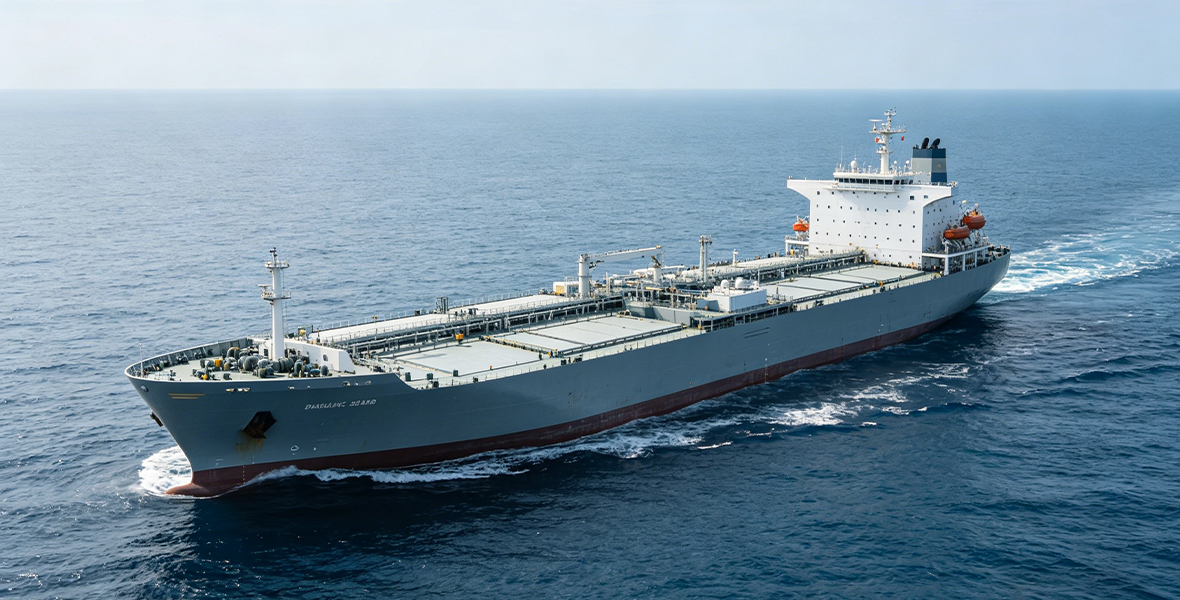
The Strait of Hormuz is the only waterway connecting the Persian Gulf and the Gulf of Oman, with a narrowest width of only 33 kilometers. It handles:
30% of global seaborne crude oil and 20% of liquefied natural gas (LNG) shipments, with an average daily crude oil flow of approximately 20 million barrels;
A key trade route for 1/3 of global fertilizers, 46% of urea, 34% of nitrogen fertilizers and other critical commodities;
The core lifeline for oil, chemical and grain exports from Gulf countries, directly affecting global energy and supply chain stability.
Dual control: Iran manages channel approval and passage rights, while the US blockades vessels affiliated with Iranian ports;
Limited traffic: Only 10–20 vessels pass daily, with approximately 3,200 ships (including 800 oil tankers) stranded in the Persian Gulf/Gulf of Oman;
Differentiated risks: US/Israeli-affiliated vessels are banned; compliant neutral vessels can pass slowly; major shipping companies still avoid the route;
Soaring costs: War risk insurance premiums have surged over 10 times, with a single passage premium for VLCC oil tankers reaching 2–3 million US dollars.
Brent crude oil prices surged over 15% in a single day, approaching 130–140 US dollars per barrel, doubling from 70 US dollars per barrel at the end of February;
Global daily crude oil flow decreased by about 13%, LNG flow by 20%, with a widening energy supply gap;
Refining and chemical enterprises in Europe and Asia face tight raw material supply and sharply rising production costs.
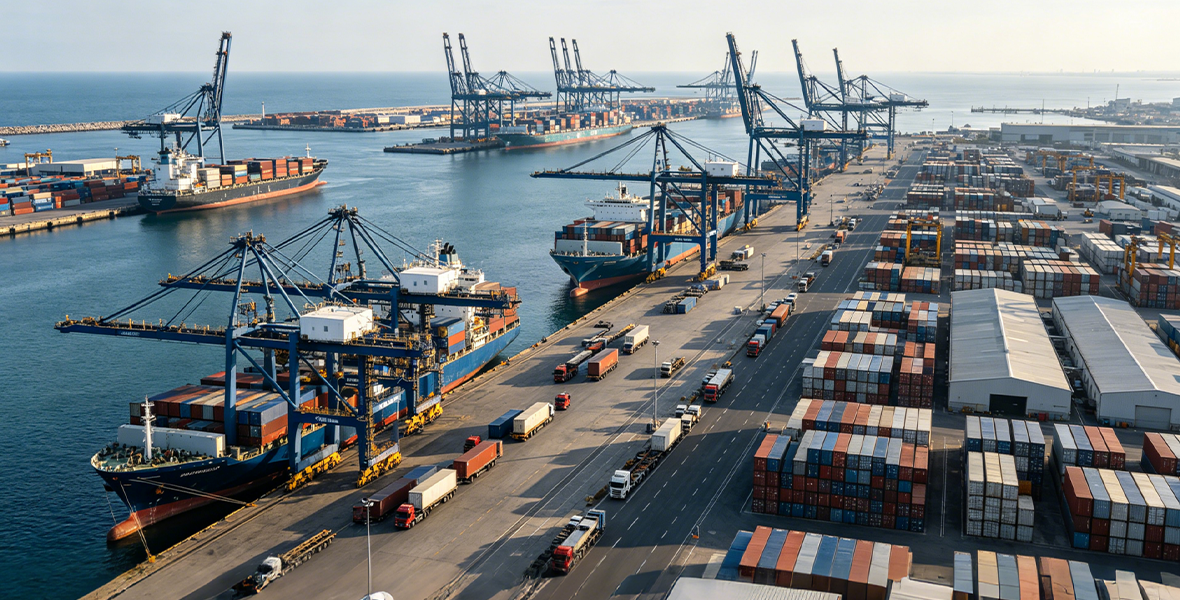
Global shipping giants (Maersk, MSC, CMA CGM, etc.) have suspended Strait routes, with a large number of vessels rerouted around the Cape of Good Hope, extending voyages by 10–14 days and raising freight rates by 15%–26%;
Port congestion worsened, with congestion rates exceeding 50% at transit hubs such as Singapore and Port Klang, significantly prolonging logistics cycles;
Surge in demand for multimodal transport; enterprises are forced to adopt alternative solutions of "sea + rail/road", increasing both logistics costs and management difficulties.
Chemical industry: Disrupted supply of petrochemical raw materials from the Middle East, skyrocketing prices of basic chemicals such as ethylene and methanol, affecting global industrial chains including plastics, pharmaceuticals and electronics manufacturing;
Food and agriculture: Blocked global fertilizer transportation, raw material shortages during the Northern Hemisphere spring planting season. The UN warns of a potential 17% global production reduction and 45 million more people facing food insecurity;
Manufacturing: Rising energy and raw material costs, delayed deliveries, disrupted production plans for automotive, electronics, machinery and other industries, with inflationary pressures further transmitted to end consumers.
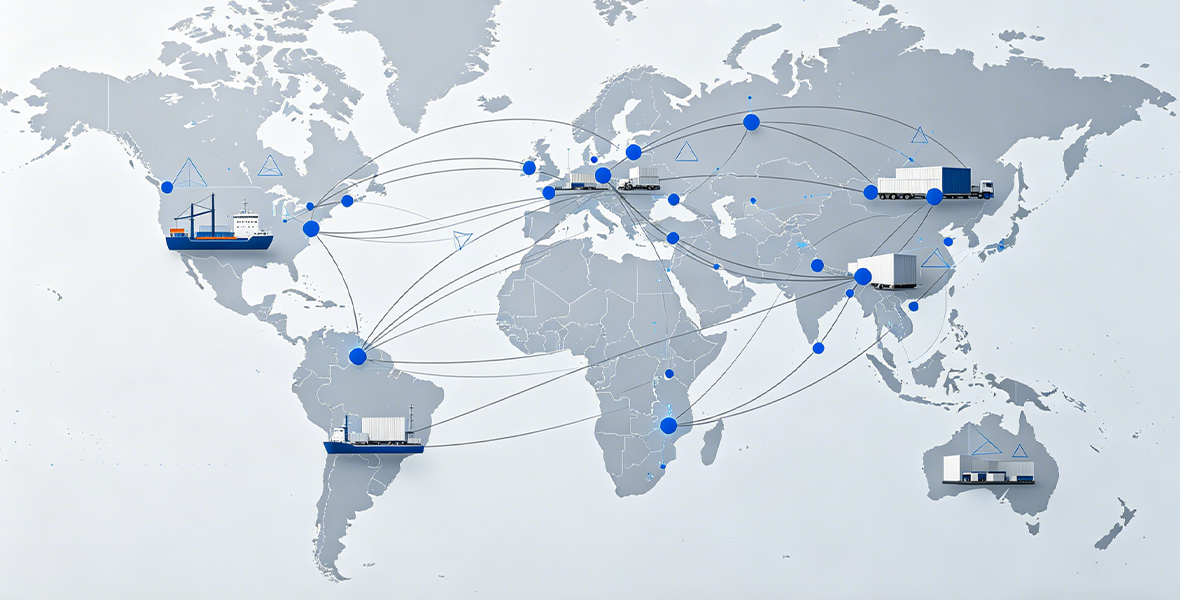
Closely track channel updates: Monitor the US-Iran situation and the progress of the April 17 UK-France summit, and obtain the latest information on Strait passage, insurance and freight rates in a timely manner;
Optimize logistics routes: Prioritize alternative paths such as rerouting around the Cape of Good Hope and multimodal transport, lock capacity in advance, and avoid high-risk periods in the Strait;
Control supply chain costs: Negotiate and lock prices with carriers and suppliers, stockpile key raw materials appropriately, and reduce the impact of oil price and freight fluctuations;
Strengthen risk and compliance management: Verify the nationality and calling ports of cooperative vessels, avoid involving US/Israeli-affiliated entities, ensure compliance of passage and reduce seizure risks;
Build diversified supply chains: Reduce reliance on energy and raw materials from a single Middle Eastern region, expand alternative supply channels in Asia-Pacific, Europe and other regions, and enhance supply chain resilience.
Conclusion: As a core hub of the global supply chain, fluctuations in the Strait of Hormuz will continue to affect all industries including energy, shipping, manufacturing and agriculture. Although current signs show a moderation with limited navigation, high uncertainty remains. Enterprises are recommended to maintain high vigilance and dynamically adjust supply chain strategies to ensure stable business operations.
021-50563017
Add:Shanghaishi
web:www.king-plus.cn